How Long Does Ginger Last? (Fresh Root, Ground & the Freeze-and-Grate Trick)
The recipe calls for a 2 cm piece of ginger. You buy a 150 g hand. You use your 2 cm and the rest sits in the crisper, slowly desiccating, until you bin it three weeks later. Sound familiar? Here’s the actual shelf life for fresh ginger root, ground ginger, and ginger paste — plus the freezer trick that means you never waste a knob of ginger again.
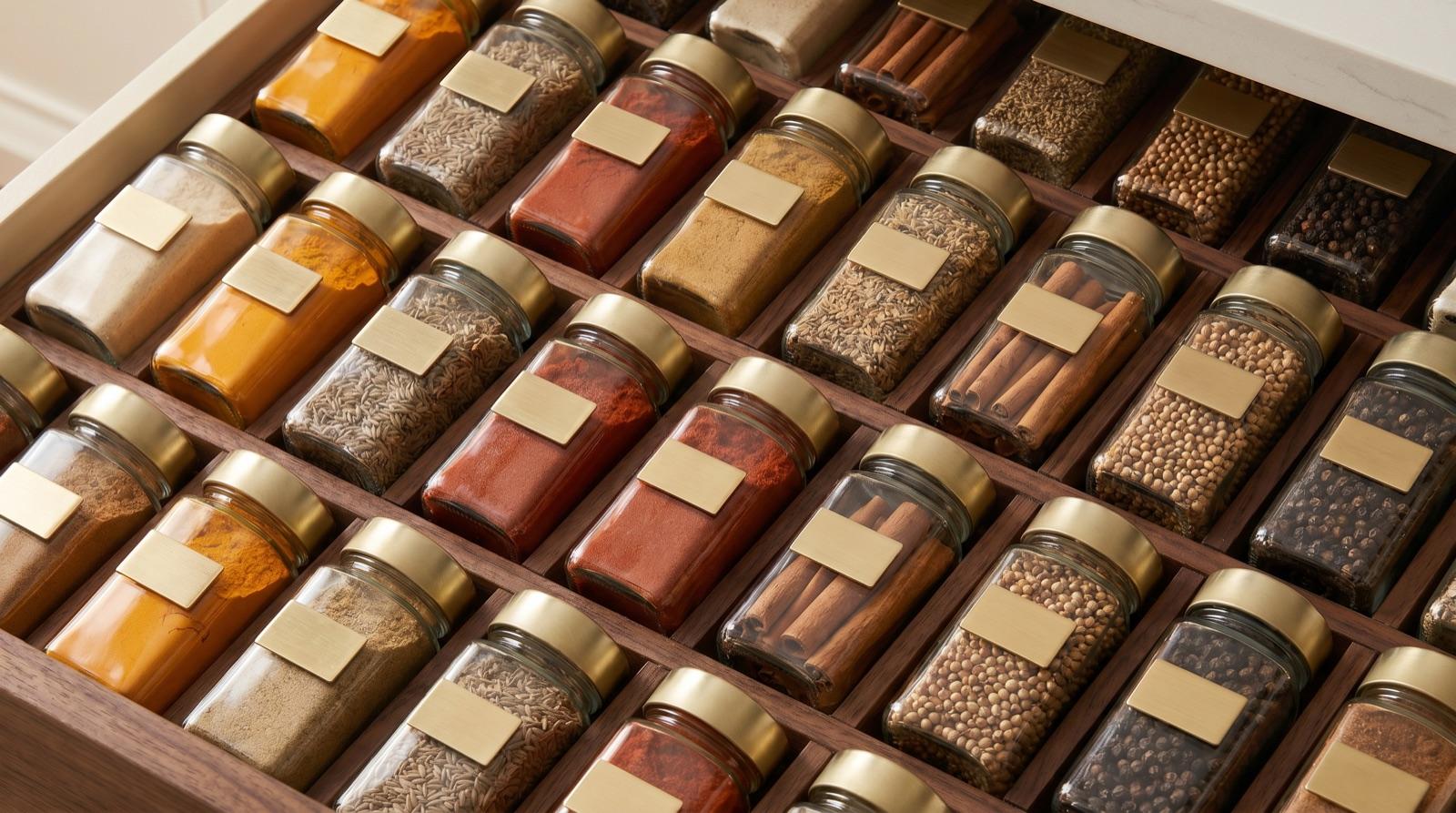
The Numbers at a Glance
| Form / Condition | How long it lasts |
|---|---|
| Fresh root — unpeeled, fridge | 3–4 weeks |
| Fresh root — peeled or cut, fridge | 1–2 weeks (airtight container) |
| Fresh root — submerged in alcohol, fridge | 3–4 months |
| Fresh root — frozen whole, unpeeled | Up to 6 months |
| Ground ginger — pantry, airtight | 2–3 years (best quality) |
| Ginger paste — opened, fridge | 3–4 weeks (check label) |
| Pickled ginger (gari) — opened, fridge | 1–2 months |
These figures align with guidance from StillTasty and are consistent with general postharvest produce research. Actual results depend on how fresh the root was when you bought it: a ginger root that has already spent two weeks in cold storage at a supermarket has less runway than one pulled from a farmers’ market the same day.
Fresh Ginger Root: The Case for Buying the Whole Hand
Ginger is sold as a hand (the whole rhizome with multiple fingers) or as a smaller piece broken off from one. Most recipes call for a small amount — a thumb-sized piece, a teaspoon grated — which means the typical home cook perpetually has leftover ginger looking for a purpose.
The good news is that ginger stores well relative to most fresh produce, provided you follow one rule: don’t peel it until you need it. The skin acts as a moisture barrier. An unpeeled ginger root in an airtight bag in the crisper drawer consistently lasts 3–4 weeks. Peel the whole root on day one and you’ll be lucky to get a week of good quality before it dries out and the exposed surface grows mould.
The crisper drawer is the right location: ginger prefers humidity between 65% and 85%, and the crisper’s modified atmosphere helps maintain that. Left loose on the fridge shelf, ginger desiccates faster.
The Freeze-and-Grate Trick: Why Frozen Ginger Is Better Than Fresh
This is the single most useful piece of ginger storage advice, and it is not widely known: frozen ginger grates better than fresh ginger.
Fresh ginger root has long, tough fibres running through it. When you grate it fresh, those fibres wrap around the grater and you end up with a scraggly pile of strings rather than a clean paste. You then spend time picking the fibrous strings out of the dish, or you just leave them in and accept the uneven texture.
When ginger is frozen, those fibres freeze stiff. A fine microplane or box grater cuts straight through them, producing a smooth, almost fluffy ginger paste with no stringy bits. The cell walls rupture slightly during freezing, which also releases more of the essential oils — meaning frozen-grated ginger delivers a sharper, more aromatic hit than the equivalent amount grated fresh.
The method:
- Freeze the whole, unpeeled root in a zip-lock bag. No prep required — just bag it and freeze. It will keep for up to 6 months.
- Grate straight from frozen. Take the root from the freezer, hold it over the pan or bowl, and grate the amount you need on a fine microplane. The skin on frozen ginger is paper-thin and grates cleanly into the pile; you don’t need to peel it first.
- Return the rest to the freezer immediately. You don’t let it thaw; the unused section goes straight back. Because you only ever expose the grated surface, the rest of the root never oxidises or dries out.
The result is that a single ginger root can last you six months of regular cooking without any waste and with consistently better grating results than you’d get from a fresh root. Compare this to the typical scenario where a fresh root slowly shrivels in the crisper and gets binned.
Peeled and Cut Ginger: Shorter Shelf Life, Different Rules
Once you peel or cut ginger, the exposed flesh begins losing moisture and is more vulnerable to mould. Peeled ginger stored in an airtight container in the fridge lasts 1–2 weeks.
To extend peeled ginger significantly, submerge it in alcohol:
- Dry sherry is traditional and works well — the flavour pairing is natural in Chinese and Japanese cooking.
- Vodka or another neutral spirit works if you want to preserve the ginger flavour without adding sherry notes.
- Mirin or rice wine (the non-salted kind) works in dishes where slight sweetness is acceptable.
Submerged in alcohol in a sealed jar, peeled ginger lasts 3–4 months in the fridge. The alcohol picks up ginger flavour and becomes a useful cooking ingredient in its own right — a splash in a stir-fry instead of separate ginger and sherry. Change the alcohol if it becomes cloudy or develops an off-smell.
Ground Ginger: Years, Not Weeks
Ground ginger operates on a completely different timescale. Properly stored in an airtight container away from heat, light, and moisture, ground ginger stays at good quality for 2–3 years. It won’t make you ill after that — the dried powder is microbiologically stable — but the essential oils that give it flavour and heat gradually volatilise, leaving behind an increasingly flat, papery powder.
The rub test: take a pinch between your fingers and rub briskly, then sniff immediately. Good ground ginger releases a warm, spicy, slightly citrusy aroma. If you get little to nothing, it’s time to replace it. Ground ginger that sits in a clear glass jar on a sunny countertop will degrade significantly faster than the same product in a dark, sealed tin.
For context on how this compares to other dried spices, see the FDA’s spice safety guidance. Ground spices are among the safest pantry items by microbial standards; quality degradation — not safety — is what actually drives replacement.
Ginger Paste: Read the Label
Jarred and tube ginger paste varies significantly by brand. Some use preservatives (citric acid, potassium sorbate) and can be stored in the fridge for up to 8 weeks after opening; others are minimally processed and are best used within 3–4 weeks. The label will tell you, and it’s worth reading it: throwing out a jar of paste at three weeks when it was good for eight is waste.
Ginger paste freezes well in ice cube trays. A standard ice cube holds roughly a tablespoon of paste, equivalent to approximately a 2 cm piece of fresh ginger. Freeze a tray, decant to a freezer bag, and you’ve got six months of single-portion ginger doses.
How to Tell If Fresh Ginger Has Gone Bad
Unlike some produce where spoilage is ambiguous, ginger tends to show its status fairly clearly:
- Mould. Fuzzy grey or blue-green growth, most commonly on cut surfaces, damaged skin patches, or around the joints between fingers. A small mouldy spot on an otherwise firm root can be cut away generously — cut at least 1–2 cm beyond visible mould — and the rest used immediately. Widespread mould means the whole root.
- Soft, watery flesh. Healthy ginger is firm throughout. Flesh that gives easily under pressure and has a wet or mushy texture is breaking down. If it’s only at the very tip of one finger, cut it off and use the rest promptly; if the whole root is soft, discard.
- Extreme shrivelling and desiccation. Some skin wrinkling is normal and does not affect the flesh. A root that is thoroughly dried out, very light, and visibly shrunken has lost most of its moisture and aromatic compounds. It’s safe but essentially spent — you’d need significantly more to get the same hit.
- Sour or fermented smell. Fresh ginger has a clean, sharp, spicy aroma. A sour, fermented, or musty smell indicates decomposition is underway. Discard regardless of appearance.
- Blue-grey interior. Occasionally fresh ginger will show blue-grey or greenish discolouration inside when cut. This is not mould; it’s a natural chemical reaction, sometimes caused by the ginger being exposed to cold temperatures. The ginger is safe to eat. The flavour may be slightly more pungent.
The Ginger Waste Problem (and the Financial Case for Freezing)
Ginger is not expensive per root — a hand typically costs £0.50–£1.50 in the UK or $1–$3 in the US. But it’s one of the produce items most commonly binned after partial use, because recipes rarely call for more than a small amount and there’s rarely a plan for the rest.
According to the WRAP household food waste report, fresh root vegetables and aromatics (a category that includes ginger, garlic, and herbs) account for a disproportionate share of kitchen waste relative to their cost — precisely because they’re bought in amounts larger than single-use portions and stored without a clear plan.
The solution is simply the freezer. A ginger root bought today, frozen whole tonight, and grated as needed over the next six months loses nothing. The same root left to slowly shrivel in the crisper is gone in three weeks, and you buy another one to replace it. Over a year, that’s roughly two to three extra roots purchased and discarded for no reason.
The same pattern shows up with other aromatics: garlic and onions benefit from understanding their storage conditions, fresh herbs have their own shelf-life logic, and tracking what’s in the fridge before it turns is the core of reducing food waste at home.
Frequently Asked Questions
How long does fresh ginger last in the fridge?
Unpeeled fresh ginger root lasts 3–4 weeks in the fridge stored in an airtight bag or container in the crisper drawer. Once you peel or cut it, the exposed flesh dries out faster — plan to use cut ginger within 1–2 weeks, stored in an airtight container or submerged in dry sherry or vodka. The key is minimising surface exposure: if you only need a slice, cut from one end and leave the rest unpeeled.
Can you freeze fresh ginger?
Yes — and freezing is the single best way to store ginger long-term. Unpeeled ginger root freezes for up to 6 months without any prep. The bonus: frozen ginger grates far more easily than fresh. The fibres are frozen stiff and a fine microplane turns frozen ginger into a smooth, fibre-free paste in seconds — better results than you'd get grating it fresh. There is no need to defrost it first. Just pull the knob from the freezer, grate what you need, and put the rest back.
How long does ground ginger last?
Ground ginger keeps 2–3 years in the pantry in an airtight container away from heat and light, and technically stays safe indefinitely past that. After 2–3 years, the volatile oils that give it flavour and heat degrade and it tastes flat — but it won't make you ill. The rub test is the most reliable check: rub a small amount between your fingers and sniff. If there's little to no fragrance, replace it. Ground ginger from a well-sealed, dark tin will outlast the same product in a light-permeable glass jar by months.
How can you tell if fresh ginger has gone bad?
Fresh ginger going off shows as: mould (usually fuzzy grey or blue-green spots, most often on cut surfaces or the skin where it's been damaged); soft, watery flesh that gives when pressed; a shrivelled, extremely dry exterior that has lost most of its moisture; or a sour, fermented, or musty smell instead of a bright, spicy aroma. A little skin wrinkling is fine — that's dehydration, not spoilage. Cut away any mouldy sections generously (at least 1–2 cm beyond visible mould) and use the rest promptly.
How long does ginger paste last in the fridge?
Opened ginger paste (the jarred or tube variety) typically lasts 3–4 weeks in the fridge once opened — check the label, as some brands have preservatives that extend this to 8 weeks. Always use a clean spoon to avoid introducing contaminants. Ginger paste can also be frozen: pour it into an ice cube tray, freeze, then transfer the cubes to a freezer bag. One standard ice cube is roughly a tablespoon, equivalent to about a 2 cm piece of fresh ginger.
What's the difference between fresh and ground ginger in cooking?
Fresh ginger delivers a bright, slightly citrusy heat with more complexity and volatile aromatic compounds. Ground ginger is earthier, deeper, and less sharp — the drying process converts some of the volatile compounds into different flavour molecules. They are not 1:1 substitutes: most sources suggest 1/8 teaspoon ground ginger per teaspoon of grated fresh ginger, though the substitution works better in baked goods and stews than in stir-fries or dressings where fresh ginger's brightness is the point.
Stop buying ginger you’ll never finish.
Pantree tracks what’s in your fridge and pantry, reminds you before things expire, and turns what you have into tonight’s recipe. Free on the App Store.
