How Long Does Canned Food Last? (Unopened, Opened & When a Tin Is Dangerous)
The back of every cupboard has one: a tin of chickpeas or chopped tomatoes with a date on it you can’t quite believe. The instinct is to bin it. The reality is that it’s almost certainly fine. Canned food is one of the most robust, longest-lasting things in your kitchen — a tin is a sealed, sterilised, oxygen-free environment, which is the whole point of canning. But there are two moments that genuinely matter: what state the tin is in before you open it, and how fast you use the food after. Here’s how long canned food really lasts, why the date is the least useful number on the can, and the few warning signs that mean bin it without a second thought.
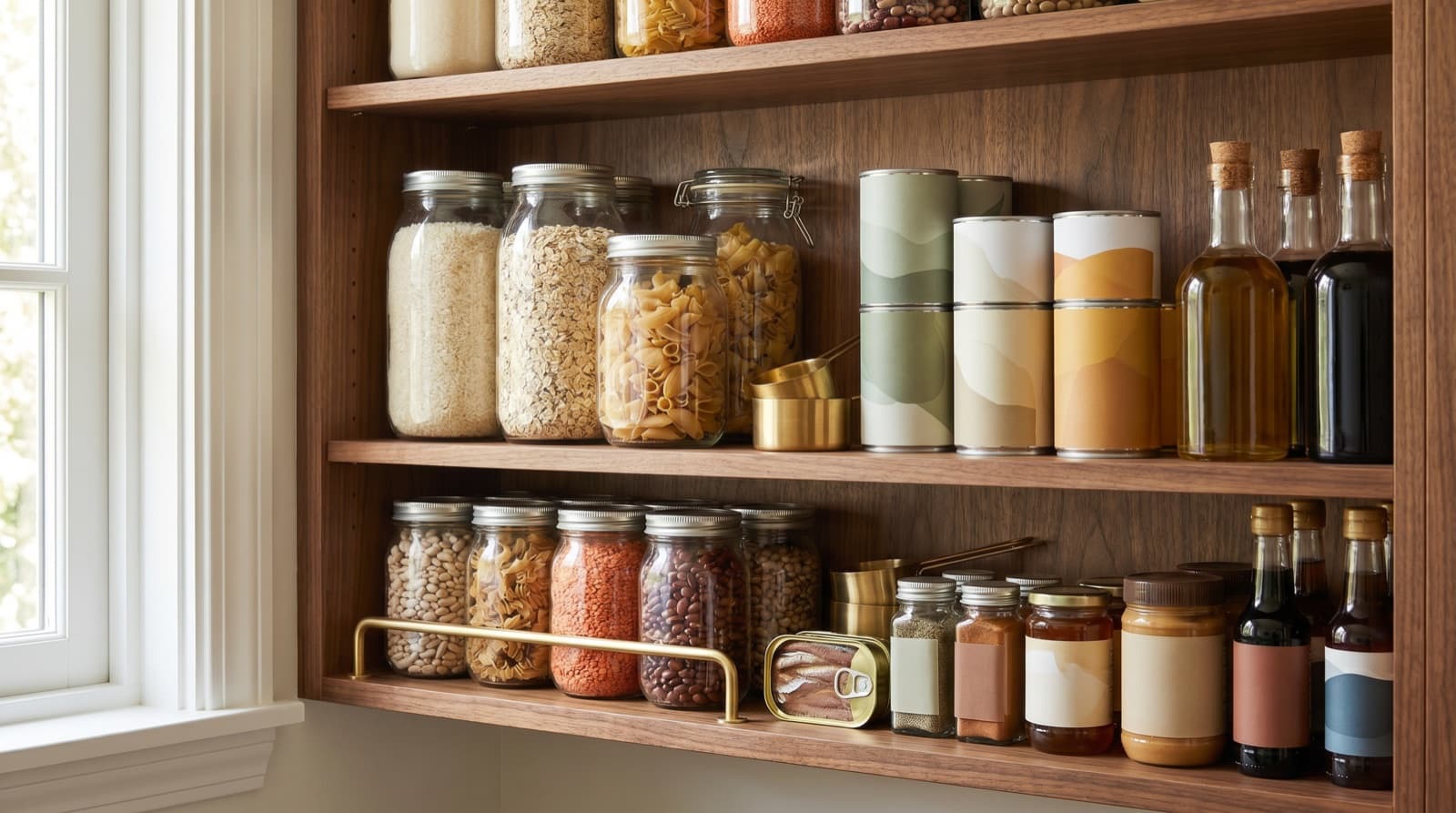
Canned food is the quiet workhorse of a low-waste kitchen, and yet it’s thrown out on a guess more than almost anything else. Tins get binned during a cupboard clear-out purely because a date has passed, despite being perfectly safe — exactly the kind of needless waste that WRAP flags across UK households. Understanding what the date actually means, and what genuinely makes a tin unsafe, turns that cupboard from a source of guilt into a reliable backstop for dinner.
Why Unopened Tins Last for Years
Canning works by sealing food into an airtight container and heating it enough to destroy the microbes that cause spoilage. What’s left is a sterile, oxygen-free environment where nothing can grow. That’s why an intact tin can sit in a cupboard for years: there’s simply no mechanism for it to go off. What does happen, very slowly, is quality decline — texture softens, colour fades, and flavour flattens — which is precisely what the best-before date is warning you about. It’s a quality marker, not a safety deadline.
The one real enemy of an unopened tin is its own container. Store cans somewhere hot or damp — above the oven, against an exterior wall, in a leaky garage — and the metal rusts. Rust that eats through the seam is what actually ends a tin’s life, not the calendar. Keep them cool, dry and dark and the printed date becomes almost irrelevant.
How Long Canned Food Lasts Unopened (Past the Date)
All of these assume a cool, dry cupboard and an intact tin. They’re time past the best-before date — the point at which quality, not safety, starts to slide.
High-acid tins (about 12–18 months past date)
- Chopped & plum tomatoes — the acid slowly corrodes the lining, so these have the shortest window.
- Canned fruit (peaches, pineapple, mandarins) — safe well beyond, but softens and dulls.
- Anything in vinegar or brine — pickles, sauerkraut, some fish.
Low-acid tins (2–5 years past date, often more)
- Beans & pulses — chickpeas, kidney beans, lentils; the pantry heroes of the cupboard.
- Vegetables — sweetcorn, carrots, peas.
- Soups & stews — a few years easily.
- Canned meat & fish — tuna, salmon, corned beef, spam; 2–5 years, and famously longer.
None of these are hard cut-offs. They’re the point at which a well-kept tin is likely still good but past its best. A can of beans two years past its date, with no dents or rust, that opens with a normal hiss and smells right, is safe to eat.
Once You Open It, the Clock Speeds Up
The moment you break the seal, all of that sterile, oxygen-free protection is gone, and the food inside becomes exactly what it always was underneath: cooked food, now exposed to air, moisture and your kitchen. From here it behaves like any leftover.
- Beans, vegetables, soup — 3–4 days in the fridge.
- Tomatoes & canned fruit — 5–7 days; the acidity buys a little more time.
- Canned fish (tuna, salmon) — 3–4 days.
- Canned meat (corned beef, spam) — 3–4 days.
Most opened tins also freeze well if you won’t get to them in time — beans, tomatoes, soup and fish all take the freezer happily for a couple of months, so a half-used tin doesn’t have to become waste.
Never Store Food in the Open Can
This is the one habit worth fixing. Once a tin is open, get the unused food out of it and into a sealed container before it goes in the fridge. The open can offers no proper seal against bacteria or fridge smells, and the exposed metal — particularly with acidic contents like tomatoes — can leach into the food and give it a distinct metallic taste. The USDA advises transferring leftover canned food into a covered glass or plastic container before refrigerating.
The old fear that the metal is actively dangerous is largely outdated — modern cans are lined — but the practical reasons stand: it keeps better, tastes better, seals properly and stacks more sensibly. Transfer, cover, date, done.
When a Tin Is Genuinely Dangerous
Canned food is safe far more often than people assume, but the small number of failure cases matter, because one of them — botulism — is potentially fatal. This is the part to actually memorise.
Bin the tin, unopened, if it is:
- Bulging or swollen at either end — the classic sign of Clostridium botulinum producing gas inside. This is the serious one. Do not open it, do not taste it, throw it away.
- Leaking or seeping — the seal has failed.
- Dented on a seam — a crease on the top or side welded edge can crack the seal. (A shallow dent on the flat body is usually fine.)
- Heavily rusted — surface rust that wipes off is cosmetic; rust that has pitted or eaten through the metal is not.
And when you open it, bin the contents if liquid spurts out, if there’s a foul or fermented smell, or if the food is foamy, mouldy or oddly discoloured. The critical rule: never taste a suspect can to check. Botulism toxin is odourless and tasteless, and a quick warm-through won’t reliably destroy it. When in any doubt, the price of throwing out one tin is nothing against the alternative.
What About Jars?
Jarred goods — pasta sauce, pickles, olives, salsa — follow the same logic with two tweaks. Unopened, they keep for a year or more past the date, and the lid gives you a built-in seal check: a proper jar lid is slightly domed down and pops when first opened. If the button on the lid is already up, or there’s no pop, treat it with suspicion. Once opened, jars go in the fridge and last much like condiments — a few days to a few weeks depending on how acidic and salty the contents are.
The Real Fix Is Knowing What’s in the Cupboard
Most canned-food waste isn’t spoilage — it’s invisibility. Tins live at the back, out of sight, and you buy a third can of chopped tomatoes because you forgot about the two already there, then eventually bin all three in a clear-out. Rotating oldest-to-front helps, but the deeper fix is simply knowing what you own and being reminded to cook it before you shop for more.
That’s part of why we built Pantree. It keeps track of what’s in your cupboard and surfaces it when you’re planning meals or writing a shopping list — so the tins you already have turn into dinner, and you stop buying the fourth can of beans you don’t need.
For the bigger picture, see how to stop wasting food and our full shelf-life reference for 30+ foods. It also pays to organise your pantry so nothing hides at the back. For the rest of the series, see how long condiments last, leftovers, cooked rice, and bread.
The Point
Your cupboard of tins is tougher than you think. Unopened and well-kept, most canned food is safe for years past its date — the number on it is about peak quality, not danger. The two things that genuinely matter are the state of the tin (bulging, leaking, rusted or seam-dented means bin it, no exceptions) and speed once it’s open (transfer it out of the can, fridge it, use it in 3–4 days). Get those right and canned food goes back to being what it’s always been: the most dependable, least wasteful corner of the kitchen.
Frequently Asked Questions
How long does canned food last unopened?
Far longer than the printed date. That date is a best-before (quality) marker, not a safety deadline. Kept cool and dry, high-acid tins — tomatoes, fruit, anything in vinegar — stay good for about 12–18 months past the date, and low-acid tins — beans, vegetables, soups, meat and fish — for 2–5 years past it, often more. The can is a sealed, sterilised, oxygen-free environment, which is exactly why canning was invented. As long as the seam is intact and the tin isn't bulging, rusted through or badly dented, the contents are almost always safe; they just slowly lose colour, texture and flavour over the years.
How long does canned food last after opening?
Once you break the seal, canned food behaves like any other fresh, cooked food: most of it keeps 3–4 days in the fridge. High-acid contents like tomatoes and fruit last 5–7 days; canned fish 3–4 days; opened soups, beans and vegetables 3–4 days; canned meat about 3–4 days too. The single most important rule is to transfer the food out of the open can into a sealed container first. Air and moisture undo the sterile environment the instant the lid comes off, so an opened tin left in the fridge as-is spoils faster and can pick up a metallic taste.
Can you store opened canned food in the can?
You shouldn't leave it in the can long-term, though a short stint won't poison you. Once opened, the exposed metal — especially in older or unlined cans — can leach into acidic foods like tomatoes and give them a tinny taste, and the open tin offers no proper seal against bacteria or fridge odours. Food-safety bodies including the USDA advise transferring leftovers into a covered glass or plastic container before refrigerating. It keeps better, tastes better, and stacks more sensibly in the fridge. The old worry about the metal being actively dangerous is largely outdated for modern lined cans, but transferring is still the right habit.
Is dented canned food safe to eat?
A small, shallow dent on the body or side of a can is usually fine — the seal is intact and the food is safe. The dangerous dents are the ones on a seam (the top or side welded edge) or any dent sharp enough to have creased the metal, because those can crack the seal and let bacteria in. Bin any can that is bulging or swollen, leaking, spurts liquid when opened, is heavily rusted, or smells off — a bulging tin is the classic warning sign of Clostridium botulinum, which causes botulism and is potentially fatal. When a tin is dented on the seam or you're at all unsure, throwing it out is the cheap, correct call.
How can you tell if canned food has gone bad?
Check the can before you check the contents. Warning signs on the tin: bulging or swollen ends, leaking or seeping, deep rust, or a seam dent. When you open it, be alert to liquid that spurts out, a foul or fermented smell, or food that is discoloured, mouldy or foamy. Any of these means bin it without tasting — never taste a suspect can to 'check', because botulism toxin is odourless and tasteless and heat from a quick warm-through won't reliably destroy it. A can that opens with a normal hiss or no sound, smells right and looks right is safe, even years past its best-before date.
Do canned goods actually expire?
The food doesn't 'expire' on the date the way fresh food does — the date on a tin is a best-before mark about peak quality, not safety. In practice an unopened, undamaged can of beans or soup is safe for years beyond it, gradually declining in texture and taste rather than becoming hazardous. The real expiry is the can itself: once it rusts through, the seam fails, or it bulges, the contents are no longer protected and should go. So 'do canned goods expire?' is best answered as: the date is about quality, the can's condition is about safety, and the two are not the same thing.
Stop buying the fourth can of beans.
Pantree tracks what’s in your cupboard and what to cook before it ages out. Free on the App Store.
