How to Get Recipes Out of Your Notes App (And Into Something You’ll Actually Use)
Apple Notes, Google Keep, OneNote, Samsung Notes — every phone has a different app and the same problem. The recipe is in there, somewhere, buried in a wall of pasted text. Here’s how to rescue it.
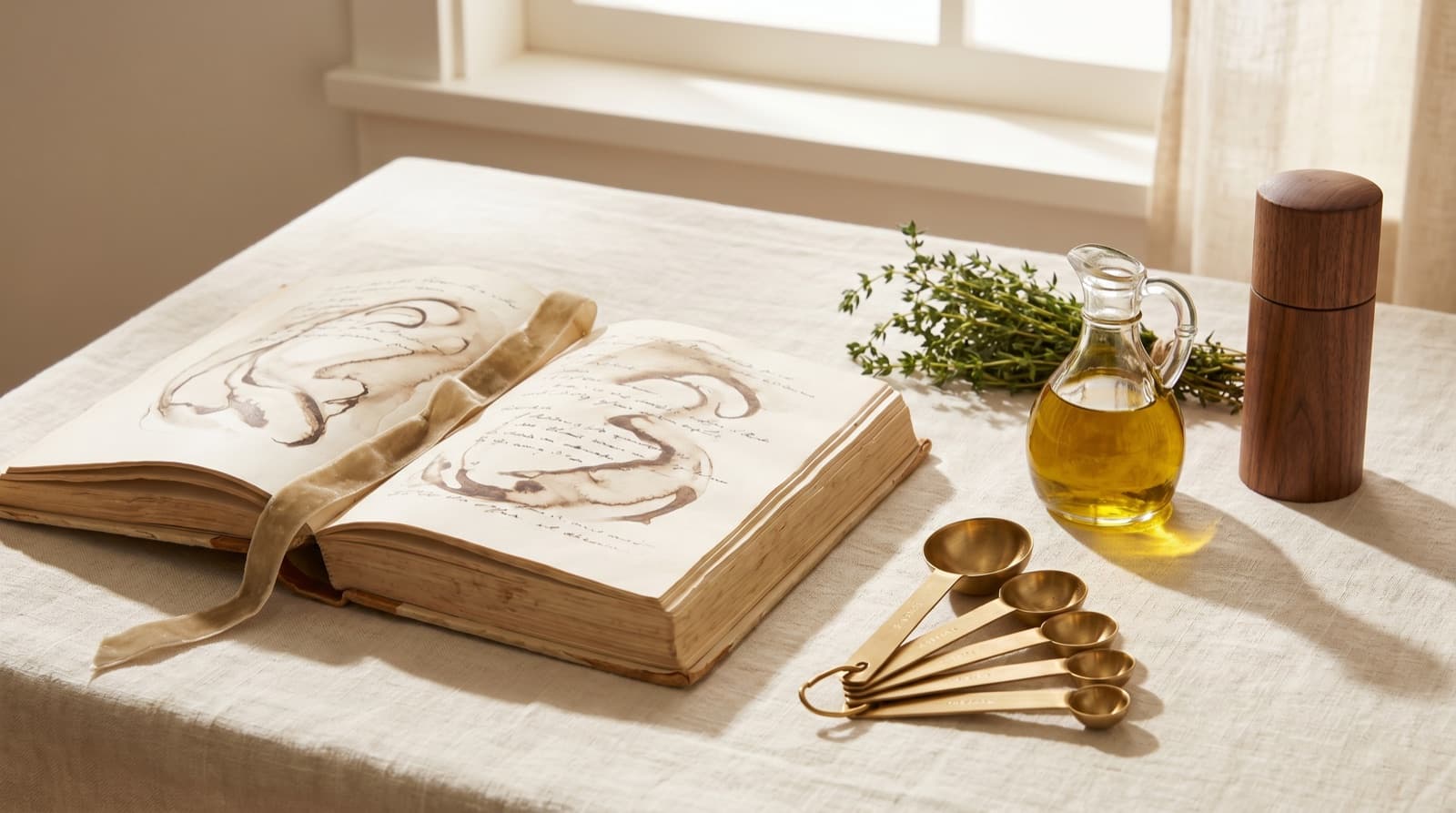
At some point, probably on the sofa or in the queue at a supermarket, you found a recipe. You couldn’t be bothered to open a proper app, so you did what everyone does: you opened Notes, pasted it in, and told yourself you’d sort it later.
Later arrived. And the recipe is now one item in a note titled “dinner ideas” that also contains a link that no longer works, the dimensions of a shelf you were going to buy, and something indecipherable you apparently typed at 11pm.
This is not an unusual situation. Notes apps are the default landing zone for anything that doesn’t have a better home, and recipes are exactly the kind of thing that feels like it has a better home but keeps ending up in Notes. According to Statista, Apple Notes and Google Keep are among the most-used productivity apps on both iOS and Android — which means there are a lot of recipe graveyards out there.
Why Notes Apps Fail at Recipes
It’s not that Notes apps are bad. It’s that recipes are a structured document pretending to be unstructured text, and notes apps treat everything as unstructured text.
1. The search is keyword-only. You can type “chicken” and find every note that mentions chicken. You cannot search “what have I saved that uses up the leek and the leftover rice”. You cannot filter by cook time, dietary requirement, or serving size. And if you titled the note “Sunday dinner” instead of something that includes the ingredients, the recipe is effectively invisible.
2. There’s no structure to work with. A notes app stores the text you paste. It has no concept of an ingredient, a quantity, or a cooking step. That means it can’t scale a recipe from two to six servings, can’t roll the ingredients into a shopping list, and can’t tell you whether you already have what you need. To figure out whether a saved recipe is feasible for tonight, you have to read the whole thing — which is usually the moment you close the note and order a takeaway.
3. Everything goes into one undifferentiated pile. Recipes sit alongside meeting notes, addresses, measurements, phone numbers, things you were reading, things someone texted you, and things you cannot explain. There is no reliable way to separate them. Apple Notes has tags and folders, which help a little — but a well-organised pile is still a pile.
4. The source is often lost. You pasted the recipe, but not the URL it came from. The original website might be gone, or you might want to look up the author’s other recipes, or check the comments for the version people actually preferred. The text is in the note. The context is not.
This is the same shape of problem as saving a TikTok recipe or pulling recipes out of a Reddit comment or your newsletter inbox: the recipe arrived somewhere it wasn’t meant to live, you saved it to something that can store text but not cook from it, and now it’s technically retrievable but practically lost.
How Recipes End Up in Notes (The Usual Routes)
Understanding the failure mode helps fix it. The most common ways recipes land in a notes app:
- Copy-pasted from a website — usually to avoid the ads and the three scrollable pages of backstory, sometimes because you were on a flight with no signal.
- Dictated on the go — you heard a recipe on a podcast or a radio show and spoke it into your phone while driving. The transcription has done its best.
- Typed from a screen — a TV cooking show, a friend’s phone, a screen you couldn’t photograph.
- Forwarded text — someone sent you a recipe as a message, you opened Notes and pasted it before the chat scrolled past.
- Extracted from a screenshot — you used the phone’s OCR to lift text out of an Instagram screenshot and dropped it into a note. Smart move, wrong destination.
In every case: the recipe is now text in a box. Readable, not cookable.
The Ways to Deal With Notes App Recipes, Ranked
Option 1: Leave them there and keep adding more
This is what most people do. The pile grows. Occasional searches turn up the wrong note. Dinner is decided by what’s fastest to find, not what was saved. The notes are not a cookbook; they’re a museum exhibit labelled “what I intended to cook in 2024”.
Option 2: Reorganise within Notes
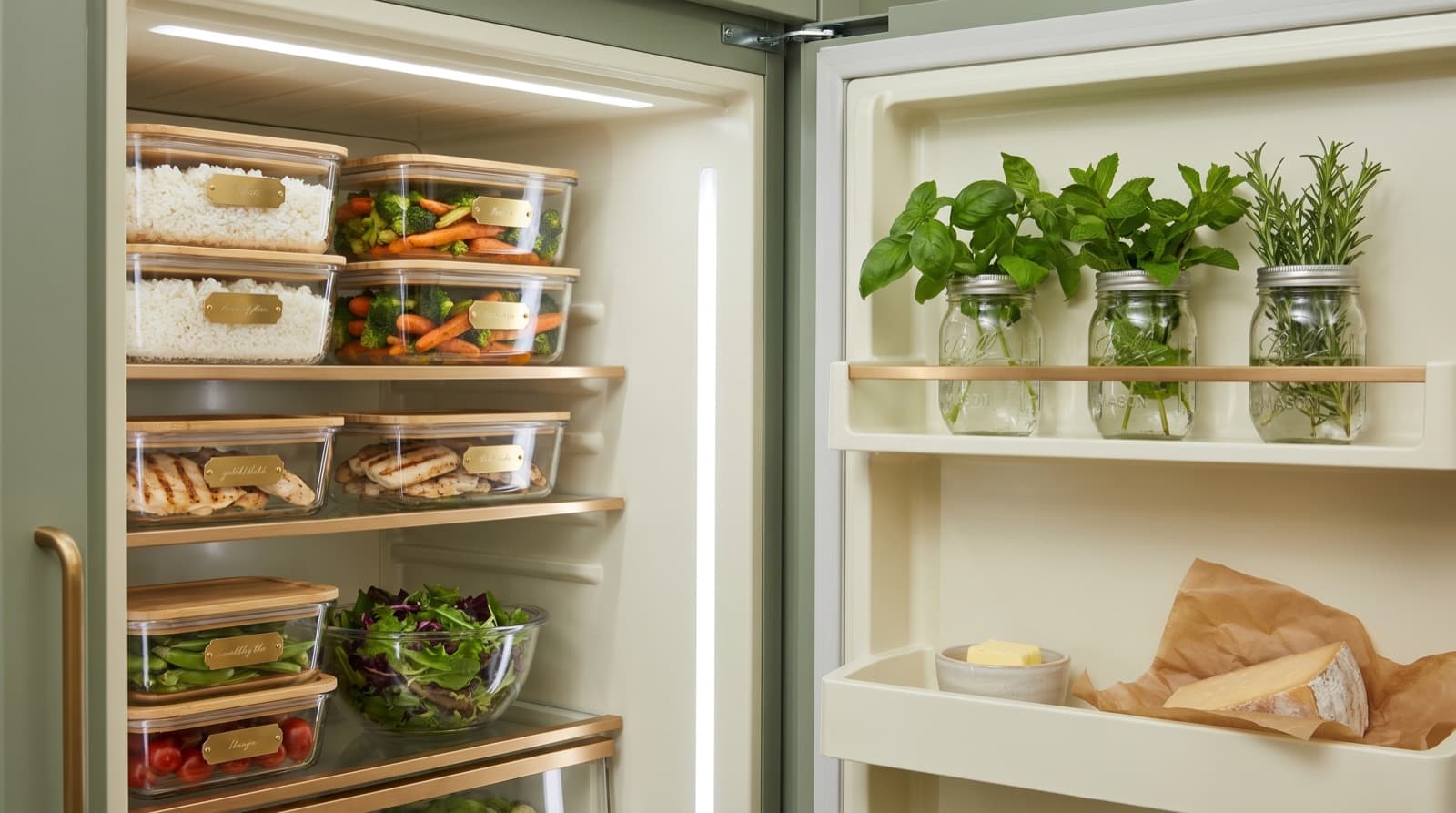
Create a “Recipes” folder or notebook. Tag everything. Give each note a proper title. This is a significant project and at the end of it you still have unsearchable text blobs in a tidy folder. Better labelled, same problem.
Option 3: Export the notes and reformat them manually
Apple lets you export notes via iCloud (Settings → [your name] → iCloud → Export). Google Takeout gives you a similar dump. Both produce folders of plain-text or HTML files. You could then go through each one and reformat the recipes into a spreadsheet or a recipe app by hand. This works, and it is deeply tedious, and it will take the afternoon.
Option 4: Copy-paste into a recipe keeper (the fix)
The fastest move that produces something usable: open the note, copy the recipe text, and paste it into Pantree or another recipe-keeper that supports paste-import. Pantree reads the unstructured text and pulls out the ingredient list, quantities, units and steps — even if your formatting is inconsistent or the pasted text is a single paragraph with no line breaks. What you get back is a structured recipe you can:
- Search by ingredient — “what have I saved with leeks” works.
- Scale for any number of servings — quantities adjust automatically.
- Roll into a shopping list — pick three recipes for the week and the app deduplicates the ingredients against your pantry.
- Keep in one library with everything else — the same import works for TikTok, websites, photographed cookbook pages, and everything in between.
The Practical Approach: One Recipe at a Time
Don’t try to migrate your entire notes library in one session. You’ll lose half a day and run out of patience before it’s done. Instead, adopt a simple rule:
- Migrate when you’re planning a meal. The next time you think “I saved something with salmon”, open Notes, find it, paste it into your recipe keeper, and cook from the structured version. One recipe per meal planning session. The library grows without the archaeology dig.
- Go top-down on the dump note. If you have a single “recipes” note that contains everything, start from the top recipe, move it, and delete it from the note. Next time you open the note, start from the new top. The dump note gradually empties without a dedicated project slot.
- Stop adding to Notes. When you next find a recipe, go directly to the recipe keeper rather than routing through Notes first. The habit is the fix. Our guide on how to save recipes from any website covers the zero-friction path for web recipes.
The goal isn’t an empty Notes app — it’s a recipe library that’s actually usable. Do this for a few weeks and the ratio shifts: more cooking from saved recipes, fewer “what should we have tonight” spirals that end in delivery apps. On the numbers, the difference adds up — we went into the detail in how to save money on groceries.
The One-Minute Version
Your notes app is a capture tool. It was not built for cooking from. The fix is one copy-paste away:
- Open the note with the recipe.
- Select and copy the recipe text — all of it, messy formatting included.
- Paste it into a recipe keeper. Pantree extracts the ingredients and steps.
- Tidy any obvious extraction errors and add a personal note if it needs one.
- Delete it from Notes. The copy is now somewhere that can cook from it.
Then pick it for this week’s shopping list and actually make it. That’s the point of saving it in the first place — and it’s the part the notes app could never get you to.
Frequently Asked Questions
Can you search for recipes inside Apple Notes or Google Keep?
Sort of. Both apps support full-text search, so you can type 'chicken' and surface every note that contains the word. What you cannot do is search by ingredient combination, filter by cook time, scale quantities for four, or generate a shopping list. You're doing keyword search on an undifferentiated blob of text, not navigating a recipe library. The result is that most pasted recipes never get found again — the search term has to match the exact wording you pasted, in a note you probably titled 'dinner ideas 3'.
Is a notes app a good place to save recipes?
For capturing something in the moment, fine. For keeping and cooking from recipes, no. Notes apps are built for unstructured writing — tasks, meeting minutes, ideas. They have no concept of an ingredient, a step, or a serving size. A recipe pasted into Notes is text you can read, not a recipe you can scale, search, or shop from. The capture step and the cooking step have completely different needs, and one tool cannot serve both well.
How do I move recipes out of my Notes app into something better?
The most efficient path: copy the recipe text from your note and paste it into a recipe-keeper app like Pantree, which extracts the ingredients and method into a structured recipe automatically. You don't need to reformat anything manually. If you have dozens of notes, work through them one at a time as you're planning meals rather than trying to migrate everything at once — the next time you think 'I want to cook that thing I saved', open the note and move it then.
Can I import from Apple Notes directly into a recipe app?
There's no direct integration — Apple Notes doesn't expose an API that third-party apps can tap into. The practical method is copy-paste: open the note, select the recipe text, copy it, and paste it into your recipe-keeper. In Pantree, a paste import takes about 20 seconds and produces a clean, editable recipe. If you've got a lot of notes, Apple's iCloud export (Settings → [your name] → iCloud → Export) gives you your notes as a folder of text files you can work through systematically.
Why do recipes saved in Notes always seem to get lost?
Two reasons. First, naming: most people title notes something like 'recipes' or 'dinner ideas', which means everything goes into one long, unsorted note. When you search, every note matches, so nothing is findable. Second, structure: a wall of pasted text has no ingredient list you can scan — you have to read the whole thing to figure out whether it matches what you have in the fridge, which makes browsing notes painful enough that you give up and order takeaway instead. A recipe keeper solves both by indexing recipes individually with structured ingredients.
What's the best app for organising recipes on your phone?
For keeping recipes you've gathered from across the internet and actually cooking from them, a dedicated recipe-keeper beats a general notes app on every dimension: structured ingredients, scalable quantities, ingredient search, shopping-list generation. Pantree is built for exactly this — it imports from any source (paste from notes, link from TikTok, screenshot from Instagram, email newsletter, any website) and puts everything in one searchable library with a shopping list that checks against your pantry.
Stop cooking from a wall of text.
Paste the recipe from your Notes app into Pantree and get a clean, searchable, scalable recipe with a shopping list — in about 20 seconds. Free on the App Store.
