How Long Does Honey Last? (Opened, Unopened, Raw & Crystallised)
Honey is the rare pantry item that essentially never expires. Archaeologists recovered 3,000-year-old honey from Egyptian tombs that was reportedly still edible. And yet millions of people throw out perfectly good honey every year because it crystallised, or because a “best by” date came and went. Here’s what the shelf life of honey actually is — and the one exception that does have a real expiry.
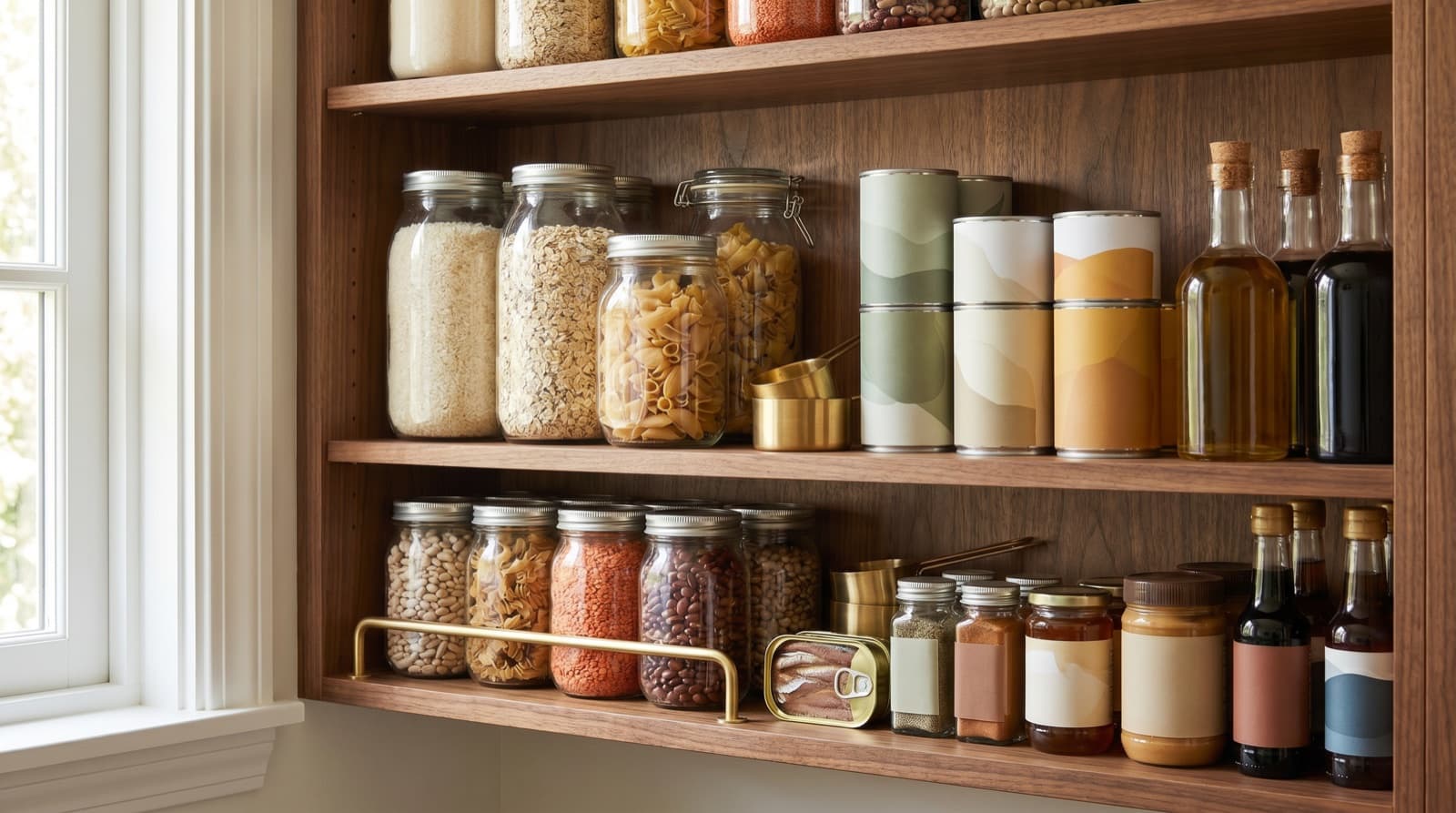
Honey Shelf Life at a Glance
| Type | Pantry (sealed) | Pantry (opened) | Fridge |
|---|---|---|---|
| Commercial honey (plain) | Indefinite | Indefinite (keep dry) | Not recommended |
| Raw honey (unfiltered) | Indefinite | Indefinite (keep dry) | Not recommended |
| Creamed / whipped honey | Indefinite | Indefinite (keep dry) | Not recommended |
| Manuka honey (plain) | Indefinite | Indefinite (keep dry) | Not recommended |
| Honey infused with fresh ingredients | Not recommended | 1–3 months refrigerated | 1–3 months |
Why Honey Essentially Never Expires
Pure honey lasts indefinitely because of four intersecting properties that together make it one of the most hostile environments for microbial life in any kitchen:
- Low water activity. Honey typically contains only 15–18% water, far below the threshold where most bacteria and moulds can survive. Water activity (a measure of available, unbound water) below 0.6 inhibits virtually all spoilage microorganisms; honey sits at around 0.5–0.6.
- High sugar concentration. The saturated sugar solution creates osmotic pressure that draws water out of bacterial cells, dehydrating and killing them.
- Natural hydrogen peroxide. The enzyme glucose oxidase, introduced by bees during nectar processing, produces small amounts of hydrogen peroxide — a mild antimicrobial — as honey matures.
- Low pH. Honey is acidic, with a pH between 3.2 and 4.5. Most bacteria prefer neutral or mildly acidic conditions; this pH range actively suppresses many common food-borne pathogens.
Together, these properties explain why honey found in archaeological digs — sealed in clay pots in the dry heat of an Egyptian tomb — has sometimes been reported as still edible after millennia. This is not an urban legend: the science behind it is straightforward. Honey is simply one of the most shelf-stable foods that exists.
The FDA does not require honey to carry an expiration date, precisely because there is no meaningful safety window to communicate. Any date on a commercial jar is there for quality or regulatory reasons specific to the market, not because the honey becomes unsafe after it.
What “Best By” Means on a Honey Jar
Most commercial honey carries a “best by” or “best before” date of two years from production. This is a quality recommendation. Honey may darken, deepen in flavour and lose some of its lighter aromatic notes over years — a consequence of a slow reaction between amino acids and sugars called the Maillard reaction happening very gradually at room temperature. These are cosmetic changes, not safety issues. Honey past its best-by date is fine to eat.
If you’ve ever looked at a jar of dark, well-aged honey and wondered whether it had “gone off”, the answer is almost certainly no. Smell it: good honey smells floral, caramel-sweet, or gently earthy depending on the floral source. It should not smell fermented, sour, or sharp. If it smells fine, it is fine.
Crystallised Honey Is Not Spoiled
One of the most common reasons people discard perfectly good honey is crystallisation. The honey solidifies, turns white or opaque, and looks “off”. This is completely normal and has nothing to do with age or spoilage.
Honey is a supersaturated sugar solution — it contains more dissolved glucose than the water in it can stably hold. Over time, especially at temperatures between 10 and 15°C (which is common in British homes), glucose molecules precipitate out of solution and form crystals. The process is accelerated by:
- Lower temperatures (the fridge actively encourages it)
- Higher glucose content relative to fructose (clover honey crystallises faster than acacia, for example)
- Particles in raw honey — pollen grains, beeswax fragments — which act as nucleation seeds
To re-liquefy crystallised honey, place the opened jar in a bowl of warm water at around 40°C and stir gently. Change the water if it cools before the honey is fully liquid. Alternatively, use a microwave on a low setting, 15 seconds at a time, stirring between bursts. Keep the temperature below 40°C for raw honey; above that, the heat starts to denature the enzymes and antioxidants that make raw honey worth buying in the first place.
Creamed honey (also called whipped honey) is intentionally crystallised into a smooth, spreadable texture by controlling the crystallisation process. It has the same shelf life as any other plain honey.
How to Store Honey to Keep It in Good Condition
The goal is to prevent moisture from entering the jar. Everything else is secondary.
- Room temperature, not the fridge. The fridge accelerates crystallisation and serves no preservation purpose for plain honey. A kitchen cupboard or pantry at 18–22°C is ideal.
- Away from heat and steam. The hob, kettle, and dishwasher all produce steam and heat that can enter an open jar. Keep honey in a closed cupboard, not on a worktop shelf beside appliances.
- Away from direct sunlight. UV light degrades hydrogen peroxide and aromatic compounds over months. A dark cupboard is better than a jar on the windowsill.
- Dry spoon, every time. Water is the one thing that can genuinely compromise honey in a home setting. A single dip with a wet spoon isn’t catastrophic, but repeated water introduction over months will eventually raise moisture content enough to allow fermentation.
- Lid on tightly after use. Honey is hygroscopic; it absorbs moisture from air. A loose or missing lid in a humid kitchen slowly raises moisture content.
The Exception: Honey Infused with Fresh Ingredients
Infused honeys — garlic honey, chilli honey, herb honey, fruit-infused honey — bring the moisture and organic matter of the added ingredients into the jar, breaking honey’s natural stability. The result is a product that can ferment or mould at room temperature.
Homemade infused honeys should be:
- Stored in the fridge, not the pantry
- Used within 1–3 months (1 month for fresh fruit, up to 3 months for dried chilli or dried herbs)
- Watched for signs of fermentation: bubbling, a sharp sour smell, or foam on the surface
Commercial infused honeys from reputable producers may be shelf-stable if the moisture content of the added flavour was carefully controlled. Check the label; a good producer will specify storage instructions. When in doubt, refrigerate after opening.
Note that garlic honey is a specific case: raw garlic submerged in honey can — in rare conditions — create an anaerobic environment where Clostridium botulinum can grow if the pH is not low enough. Commercial producers acidify the product or test pH carefully. For homemade garlic honey, use dried garlic instead of raw, and refrigerate.
Signs That Honey Has Actually Gone Bad
Genuine spoilage in plain honey is rare, but it does happen when moisture contaminates the jar. Signs to look for:
- Fermentation smell: a sour, yeasty, or alcoholic smell where there should be sweetness. Fermentation occurs when wild yeasts present in honey are able to multiply because moisture content has risen above 20%.
- Bubbling or foam: visible fermentation activity in the jar. If honey is bubbling when you haven’t stirred it, it is fermenting.
- Mould: surface mould indicates significant moisture contamination and repeated use with wet utensils. Discard the jar.
Colour change alone — honey darkening from pale amber to deep brown over months or years — is not a spoilage sign. It is the natural Maillard browning reaction. The honey is fine.
How Does Honey Compare to Other Long-Life Pantry Staples?
Honey is in an unusual category alongside a handful of other nearly-indefinite pantry items:
- Salt and white sugar: indefinite in sealed, dry conditions — similar logic to honey, though sugar can absorb moisture and clump.
- White rice and dried pasta: dried pasta lasts 1–2 years for best quality but is safe indefinitely; white rice similarly. Significantly shorter quality windows than honey.
- Flour: flour lasts 6–12 months after opening — far shorter because the oils in flour go rancid.
- Cooking oil: cooking oil lasts 1–2 years sealed, with quality declining after opening. Rancidity is the issue — a problem honey simply doesn’t have.
- Peanut butter: peanut butter lasts 3–4 months opened due to the natural oils. Honey wins easily.
If you track pantry inventory, honey is the one item you can log with the furthest possible “use by” date and essentially forget about. The only real task is keeping the jar sealed and dry.
Frequently Asked Questions
Does honey expire?
Pure honey does not expire in a meaningful sense. It is one of the very few foods that can last indefinitely if stored correctly — sealed, in a stable cool or room-temperature environment, away from moisture. Archaeologists have found honey in 3,000-year-old Egyptian tombs that was reportedly still edible. The 'best by' date printed on commercial jars (typically 2 years from production) is a quality guideline required by some jurisdictions, not a food safety cut-off. After that date, the honey may darken and lose some aromatic complexity, but it won't make you ill. The FDA does not require honey to carry an expiry date at all.
How long does opened honey last?
Opened honey lasts indefinitely if you keep moisture out of the jar. The practical risk is not time — it's contamination. Using a wet spoon or leaving the lid off in a humid kitchen introduces water into the jar. Honey is naturally low in water activity (typically 15–18% moisture), which suppresses microbial growth; add enough water and the balance tips, potentially allowing fermentation. Use a dry spoon, replace the lid after every use, and don't store the jar near the kettle or hob where steam and heat can enter. Under those conditions, opened honey in a pantry or cupboard has no meaningful expiry date.
Is crystallised honey still good?
Yes. Crystallisation is a natural physical process, not spoilage. When glucose in the honey precipitates out of solution, the honey solidifies and turns lighter or opaque. This happens faster at cooler temperatures (around 10–15°C is the sweet spot for crystallisation), which is why storing honey in the fridge, though it doesn't cause spoilage, accelerates the process. Crystallised honey is completely safe to eat. To re-liquefy it, place the opened jar in a bowl of warm water (not boiling — heat above 40°C degrades enzymes and antioxidants in raw honey) and stir gently until smooth. The microwave works too, but use 15-second bursts at low power to avoid overheating.
Does honey need to be refrigerated?
No. Refrigerating honey is counterproductive — it accelerates crystallisation and makes the honey much harder to dispense. Store honey at room temperature, away from direct sunlight and heat sources. The ideal storage temperature is roughly 18–22°C. If your kitchen gets very warm in summer, a cupboard away from the oven is fine. The fridge is not necessary and not recommended for plain honey.
How long does raw honey last compared to commercial honey?
Raw honey (unfiltered, unpasteurised) has the same indefinite shelf life as commercial honey, but it crystallises faster because it contains more natural particles — pollen, beeswax fragments, and other solids — that act as nucleation points for glucose crystallisation. This is a cosmetic difference, not a quality problem. Raw honey also retains more enzymes, antioxidants and aromatic compounds than heat-treated commercial honey, which is why enthusiasts prefer it. Neither type requires refrigeration and neither has a meaningful expiry date when stored sealed and dry.
What about honey-infused with fruits, herbs or spices?
Honey infused with fruits, chillies, herbs, garlic or other fresh ingredients is a different product and does not have an indefinite shelf life. The added moisture and organic matter break honey's natural antimicrobial stability. Fruit-infused honey stored at room temperature can ferment or mould within weeks. These products should be refrigerated and used within 1–3 months. Check the packaging; reputable producers will specify a refrigerated shelf life. Plain commercially flavoured honeys (vanilla extract, artificial flavours) are closer to regular honey in stability, but check the label.
Know exactly what’s in your kitchen — and when it actually needs using.
Pantree tracks your food, nudges you before things go off, and turns what you have into something to cook tonight. Free on the App Store.
