How Long Does Cream Cheese Last? (Opened, Unopened & Frozen)
You bought a tub for a cheesecake or a bagel spread, used half, and put it back in the fridge. Now it’s been ten days and you’re not sure whether it’s still good. Here’s exactly how long cream cheese lasts, how to tell when it’s gone off, and how to freeze it without ruining the texture for cooking.
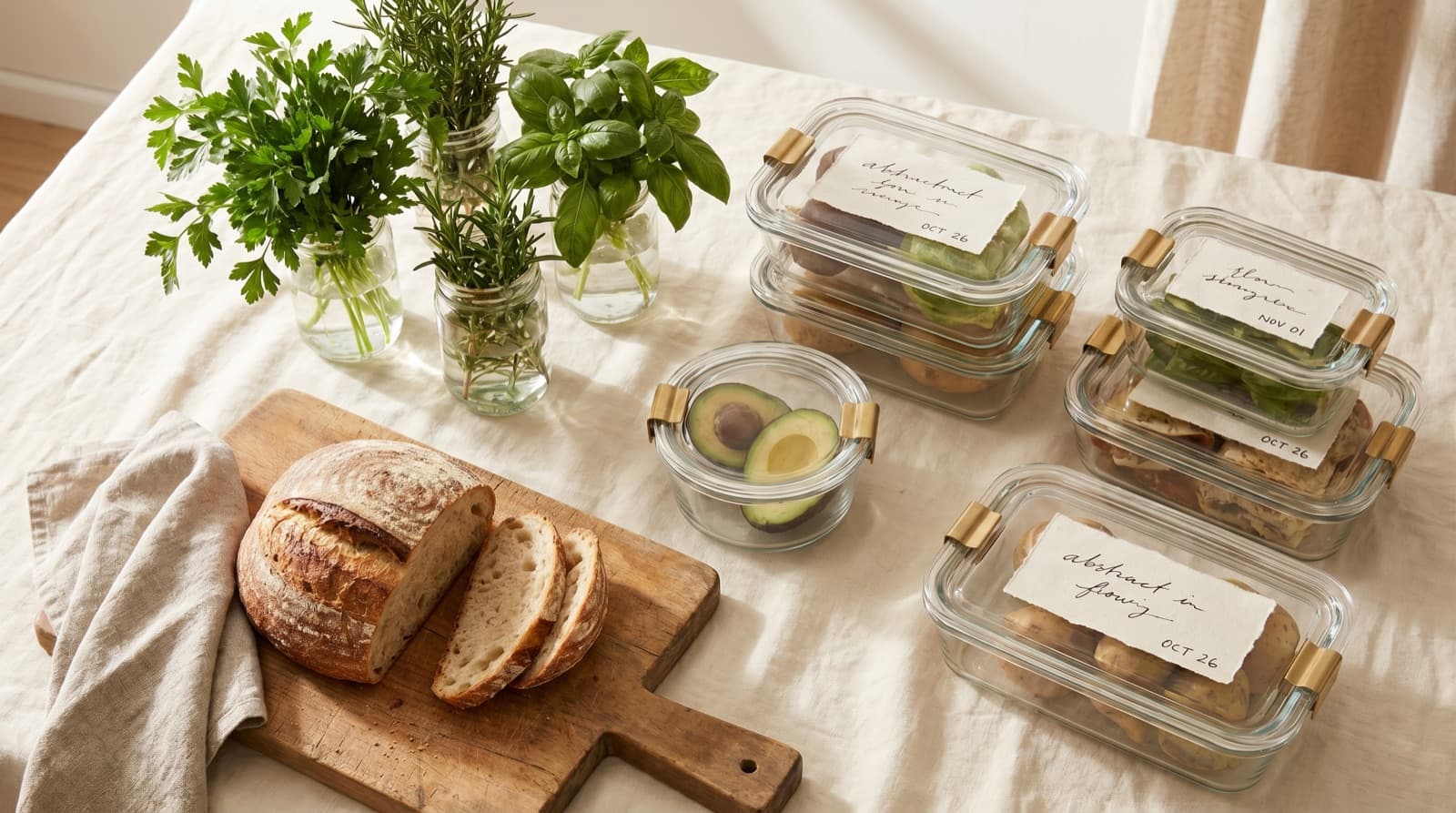
The Numbers at a Glance
| Condition | How long it lasts |
|---|---|
| Unopened — fridge | Until best-by date |
| Opened — fridge | 10–14 days from opening |
| Frozen (tightly wrapped) | 2–3 months best quality |
| Left at room temperature | 2 hours maximum; discard after |
| Cream cheese frosting | 3–5 days fridge; 3 months frozen |
These figures align with FoodSafety.gov’s cold food storage charts and USDA FSIS guidelines. They assume a consistently cold fridge held at or below 4°C (40°F).
Why Cream Cheese Spoils Faster Than Most Cheese
Hard cheeses like parmesan or aged cheddar have low moisture content and a relatively acidic pH — both of which suppress microbial growth and extend shelf life. Cream cheese is the opposite: it is a soft, fresh cheese with a water activity above 0.97 (very hospitable to bacteria and mould), and a mildly acidic pH that provides only modest protection. There are no aged rinds, no protective moulds, and no long fermentation processes to build in resistance.
This is why the shelf life of opened cream cheese — 10–14 days — is considerably shorter than the 3–4 weeks you’d get from an opened block of cheddar, or the 1–2 months for butter. Cream cheese is closer to sour cream and yoghurt on the spoilage curve. Treat it accordingly.
Opened Cream Cheese: Getting the Full 14 Days
The 10–14 day window assumes good handling. The two variables that shorten it most are cross-contamination and temperature instability.
Cross-contamination. This is the primary killer of cream cheese. Spreading from tub to toast with a knife, then dipping the same knife back into the tub, introduces bread crumbs, bacteria from the toast, and potentially traces of other food into the cream cheese. Mould spores in bread are particularly effective at colonising cream cheese. Use a clean spoon or knife every single time. If you routinely do this, 14 days is realistic. If you don’t, the tub might mould within 5–7 days.
Temperature instability. Cream cheese stored in the fridge door is repeatedly warming and cooling with every opening. The bacterial activity that causes spoilage roughly doubles for every 10°C rise in temperature — a tub that cycles between 2°C and 12°C during a busy day is accumulating bacterial load much faster than one held steadily at 4°C on a middle shelf. Move it to a shelf.
Foil seal. Tub-style cream cheese (the foil-lidded variety sold by brands like Philadelphia) comes with a foil seal that, when replaced after each use, dramatically reduces surface oxidation and mould risk. If the foil seal is torn and can’t be replaced, cover the surface of the cream cheese directly with cling film before putting the lid on — minimising air contact at the surface.
Block Cream Cheese vs Tub: Does the Format Matter?
Block cream cheese (the foil-wrapped rectangular format sold in most supermarkets) and tub cream cheese have the same shelf life once opened, but the block format has one practical advantage: you can cut off only as much as you need, rewrap the remainder tightly in cling film, and expose only the cut end to air. The sealed portion of the block stays protected.
With a tub, the entire surface is exposed every time you open it. If you go through cream cheese slowly, the block format wastes less. If you use it quickly, the tub’s spreadable consistency is more convenient.
Freezing Cream Cheese: What Actually Happens
Cream cheese can be frozen, but the texture change is more dramatic than with most dairy products. The high moisture content means large ice crystals form on freezing, which rupture the protein structure that gives cream cheese its smooth, dense consistency. When thawed, it becomes crumbly and grainy, releasing whey and separating in a way that makes it unspreadable in the conventional sense.
For applications where texture is secondary to flavour, frozen cream cheese works without issue:
- Cheesecakes. The cream cheese is blended into a batter and baked; the original texture is irrelevant.
- Cream cheese frosting. Beat the thawed cream cheese vigorously with an electric mixer before adding butter and icing sugar. The beating action partly reconstitutes the texture, and the final frosting is typically indistinguishable from one made with fresh cream cheese.
- Creamy pasta sauces and soups. Stirred into a hot liquid and blended, frozen cream cheese melts smoothly and contributes the same richness and tang as fresh.
- Dips (when baked). A warm cream cheese dip baked with toppings absorbs the texture change entirely.
To freeze: wrap the tub tightly in cling film and then in a layer of foil, or seal in an airtight freezer bag with excess air pressed out. Label with the date. Frozen cream cheese keeps 2–3 months at best quality. Thaw overnight in the fridge. Do not thaw at room temperature — the outer layers pass through the danger zone while the centre is still frozen. Beat or blend briefly before use.
Cream Cheese Left at Room Temperature
The two-hour rule applies without exception. Cream cheese left out at room temperature for more than two hours should be discarded, regardless of how it looks or smells. At room temperature in a warm kitchen (>25°C), bacteria including Listeria monocytogenes — which can contaminate fresh dairy and is particularly dangerous for pregnant people, the elderly, and immunocompromised individuals — multiply rapidly. Cream cheese that has been out for several hours can carry a significant bacterial load while still appearing and smelling perfectly normal.
If you’re serving cream cheese at a gathering — as part of a charcuterie board or bagel spread — put out a small portion and keep the rest refrigerated. Replace with a fresh portion after two hours rather than leaving the same tub out for the whole event. The same logic applies to sour cream and yoghurt served as dips.
How to Tell If Cream Cheese Has Gone Off
Mould. This is the most unambiguous sign. Any visible spot of pink, green, blue, or black is mould, and the whole tub should be discarded. Unlike hard cheese, you cannot cut away a mouldy section and use the rest — cream cheese is too moist and too soft for the mould to be confined to the visible spot. The mycelium extends throughout the product.
Smell. Fresh cream cheese has a clean, lightly tangy, lactic scent. Spoiled cream cheese smells sour or rancid in a way that differs clearly from the normal mild tang — it’s sharper, unpleasant, and unmistakable once you know what fresh smells like. If you’re unsure, trust your nose: the smell of spoiled dairy is not a subtle cue.
Texture and appearance. Sliminess on the surface is a sign of advanced bacterial growth. Yellowing or discolouration beyond the normal pale ivory indicates oxidation or spoilage. Watery liquid pooling at the surface is normal whey separation in some cream cheese varieties and is not a spoilage indicator on its own — stir it back in and assess smell separately.
If cream cheese passes all three checks, it is fine to eat. If it fails any one of them, discard the tub. A 200g block of Philadelphia costs around £2 — it is not worth the risk.
The Tub Bought for One Recipe
The familiar waste pattern with cream cheese: you need 200g for a cheesecake, buy a 300g tub, use the 200g, and put 100g back. It sits in the fridge for two weeks, you forget about it, and it either moulds or you throw it out on principle without quite checking.
The EPA estimates that American households waste around a third of the food they buy, and soft dairy products like cream cheese, sour cream, and yoghurt are disproportionately represented in that figure — they spoil quickly, they come in larger quantities than most recipes require, and they’re easy to forget about once they’re back on the fridge shelf.
The fix isn’t buying smaller tubs — those rarely exist at a reasonable price. It’s visibility: knowing the cream cheese goes off in 14 days and having a meal plan or cooking idea that uses the rest before that happens. When Pantree logs the cream cheese you bought on Monday, it surfaces it in Tuesday’s recipe suggestions — not buried in a list, but specifically flagged because the window is closing. The cheesecake frosting gets made; the rest goes into a pasta sauce on Thursday. Nothing gets thrown out.
Frequently Asked Questions
How long does opened cream cheese last in the fridge?
Opened cream cheese lasts 10–14 days in the fridge, according to FoodSafety.gov guidelines. That assumes a fridge temperature at or below 4°C (40°F) and a clean utensil every time — never double-dipping a knife that has touched other food. Cream cheese is a soft, high-moisture dairy product, which makes it more hospitable to mould and bacteria than harder cheeses. A foil-sealed tub with the film properly replaced after every use will hit the 14-day end of the range; a tub left out, repeatedly dipped into with a dirty knife, or stored in the fridge door will sour or mould noticeably faster.
How long does unopened cream cheese last?
Unopened cream cheese, kept continuously refrigerated, lasts until its best-by or use-by date. Many blocks and tubs carry a date 3–5 weeks from production. Cream cheese is soft, high-moisture, and made from fresh milk and cream — it does not have the low water activity of aged hard cheese, so it does not last indefinitely once the date passes. In practice, unopened cream cheese is typically safe 1–2 weeks past its best-by date if it has been refrigerated at all times and the seal is intact, but quality (flavour and texture) degrades noticeably past that point.
Can you freeze cream cheese?
Yes, but with a significant trade-off. Freezing ruptures the moisture-fat emulsion in cream cheese. When thawed, it becomes crumbly, grainy, and watery rather than smooth and spreadable — the texture that makes cream cheese enjoyable on a bagel is essentially gone. However, frozen-then-thawed cream cheese works perfectly in cooked and baked applications: cheesecakes, frosting (beaten with an electric mixer, it smooths out), baked pasta dishes, creamy soups, quiches, and dips. Freeze in the original sealed packaging or wrap tightly in cling film then foil; label with the date. Use within 2–3 months for best quality. Thaw overnight in the fridge, never at room temperature. Beat or blend briefly before use to bring the texture back as much as possible.
How do you tell if cream cheese has gone off?
Mould is the clearest sign — any visible pink, green, blue, or black spots mean the whole tub should be discarded. Unlike hard cheese, cream cheese is too soft and moist to cut off a mouldy section safely; the mycelium penetrates throughout. Beyond mould: smell is the next indicator. Fresh cream cheese has a clean, mildly tangy, lactic scent. Spoiled cream cheese smells distinctly sour, rancid, or sharp in a way that differs clearly from the normal tang. Check also for slimy texture at the surface and any yellowing or discolouration beyond the normal white-to-pale-ivory colour. If it looks and smells fine, it is fine. If it fails either check, discard the tub — it is not worth the risk.
Does cream cheese need to be refrigerated at all times?
Yes. Cream cheese is a perishable dairy product with high moisture content and a pH that does not inhibit bacterial growth at room temperature. The USDA two-hour rule applies: cream cheese left out at room temperature for more than two hours should be discarded. At temperatures above 32°C (90°F), that window narrows to one hour. This is especially relevant when serving cream cheese as part of a spread or dip at a gathering — it should be replaced with a fresh portion from the fridge after two hours rather than left sitting on the table for the duration of the event.
How long does cream cheese frosting last?
Cream cheese frosting, made from cream cheese, butter, and icing sugar, lasts 3–5 days in the fridge in a sealed container. It can be frozen for up to 3 months; thaw overnight in the fridge and re-beat briefly before use. On a decorated cake, the frosting is safe at room temperature for 2–4 hours during serving, but the cake should go back in the fridge after cutting if you are not serving it all at once. The high sugar content and the presence of butter provide some additional stability compared to plain cream cheese, but the dairy content still means refrigeration is required for anything beyond immediate serving.
Stop throwing away half-used tubs of cream cheese.
Pantree tracks what’s in your fridge, reminds you before things expire, and turns what you have into recipes for this week. Free on the App Store.
