How Long Does Cooked Chicken Last? (In the Fridge, Frozen & the 2-Hour Rule)
Chicken is the workhorse of the weeknight kitchen — roasted on Sunday, shredded into Monday’s wraps, stirred through Tuesday’s rice. Which is exactly why the leftover container gets a nervous look on day four: is it still good? The answer is simpler than the guesswork suggests, and it hangs on two numbers. One is how many days it’s been in the fridge. The other — the one most people never think about — is how long it sat out before it got there. Here’s how long cooked chicken really lasts, why the two hours after cooking decide everything, and how to tell when a piece has genuinely turned.
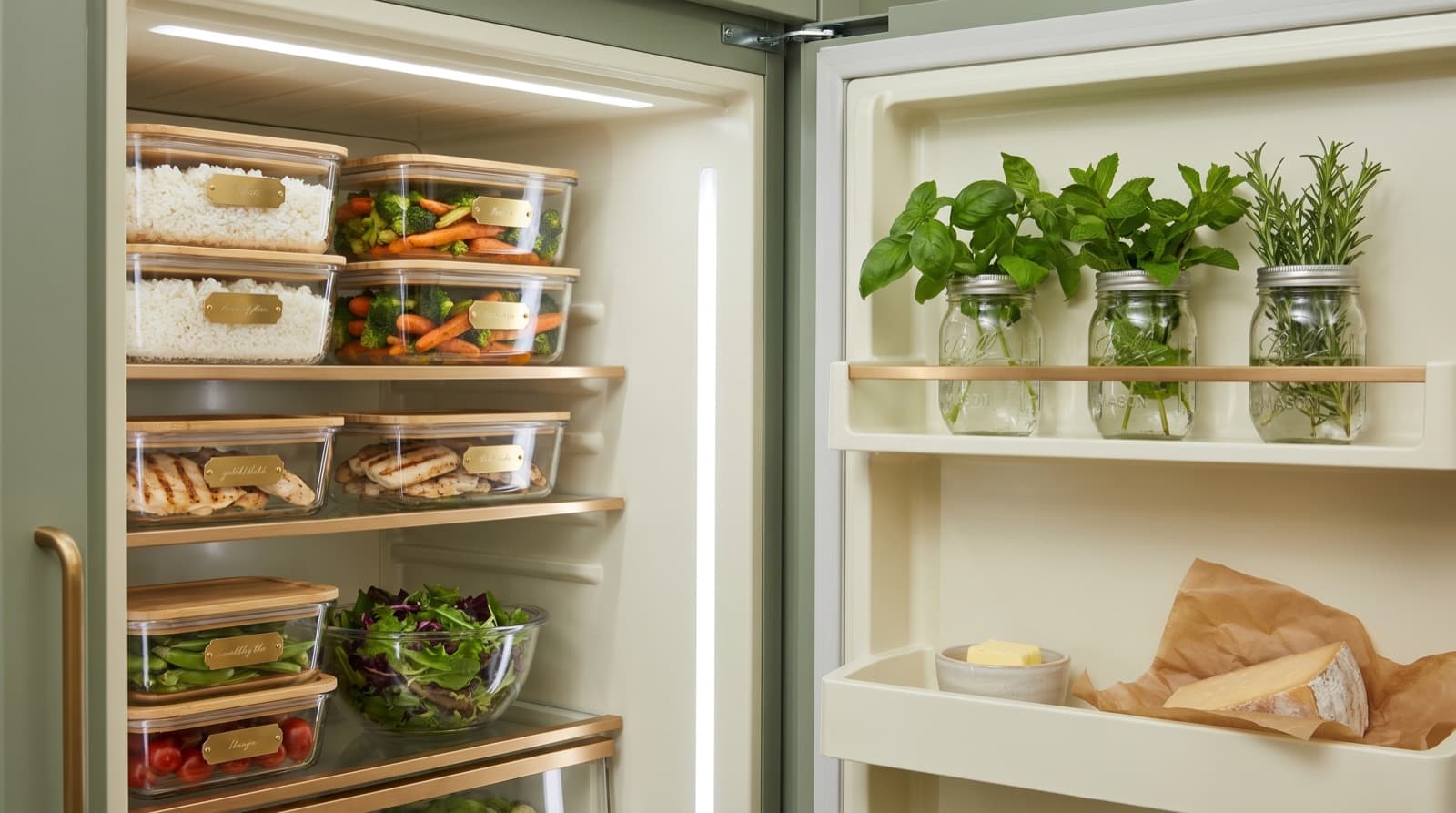
Chicken is the most-cooked meat in most households, and one of the most-wasted — half a roast bird or a forgotten tub of leftover curry binned “just in case.” Some of that caution is sensible; chicken is a genuinely higher-risk food than, say, a bowl of rice. But a lot of it is guesswork that throws out perfectly good food, or — more dangerously — keeps food that should have gone. Knowing the actual rules fixes both.
The Short Answer: 3–4 Days in the Fridge
The USDA cold-storage guidance is clear and worth memorising: cooked poultry keeps 3–4 days in the fridge. That covers a roast chicken, grilled breasts, a stir-fry, a curry, chicken soup, shredded chicken — all of it. It isn’t a cautious guess with a hidden safety margin of a week; it’s the actual window before the risk of food-poisoning bacteria climbs past what’s sensible. Four days is the outside edge, not the target.
Store it well and you get the full window: in a sealed container, at or below 4°C (40°F), on a middle or lower shelf rather than the fridge door, where the temperature swings every time it’s opened. Getting your fridge’s cold zones right earns you those extra days.
The Two Hours That Decide Everything
Here is the part most people skip, and it matters more than the fridge count. Bacteria multiply fastest between 4°C and 60°C (40°F–140°F) — the range food-safety bodies call the “danger zone.” Cooked chicken cooling on the hob, sitting out through dinner, or left on the counter to “cool down before it goes in the fridge” is sitting right in that range, and the population of bacteria on it can double every 20 minutes.
The rule: get cooked chicken into the fridge within two hours of cooking — and within one hour if the room is above 32°C (90°F), like a hot kitchen or a summer picnic. Chicken that’s been out longer than that has had time to grow bacteria that refrigeration only pauses, it doesn’t reverse. This is why a plate of chicken left out overnight is a bin job no matter how it looks: the fridge count never even started properly.
Cooked Chicken vs Raw: Not the Same Clock
Worth being clear, because the numbers differ. Raw chicken only lasts 1–2 days in the fridge before it should be cooked or frozen — a shorter window than the cooked version. So if you’ve got raw chicken approaching its use-by date, cooking it actually resets the clock to a fresh 3–4 days. It’s one of the simplest waste-savers going: cook the chicken you won’t use in time before it turns, and you’ve bought yourself most of a week.
Rotisserie & Shop-Bought Cooked Chicken
A supermarket rotisserie chicken follows the same 3–4 day rule, but the clock started in the shop — it was cooked that morning. It’s also spent time under a hot lamp and then warm in your bag or car, which is danger-zone time, so get it home and refrigerated within two hours. Strip the meat off the carcass before it goes in the fridge: it cools faster, takes up less room, and is ready to throw into a quick dinner from what you’ve got. Keep the bones — they make excellent stock, and freeze straight away if you’re not simmering them the same day.
Freezing Cooked Chicken (2–6 Months)
The freezer is where cooked chicken stops being a race against the clock. It keeps 2–6 months frozen, with the best texture in the first two to three. Plain roast or grilled chicken freezes cleanest; saucy dishes like curries and stews freeze beautifully too, sometimes better, as the flavours settle.
- Cool it first — portion into shallow containers so it drops out of the danger zone quickly, then freeze once cold.
- Portion sensibly — freeze in meal-sized bags or tubs so you thaw only what you need. Squeeze the air out of bags.
- Label everything — date it. Frozen chicken is safe indefinitely but quality slides after a few months, and undated mystery tubs are how freezers become archives.
- Thaw in the fridge — overnight, not on the counter. Use within a day of thawing, and don’t refreeze cooked chicken you’ve already thawed.
How to Tell If It’s Gone Off
Use your senses, but let the calendar have the final word. The signs that cooked chicken has turned:
- Smell — sour, sulphurous or ammonia-like instead of neutral. The most reliable warning.
- Colour — grey, green, or a dull, faded look rather than white.
- Texture — a slimy or sticky film on the surface. That’s bacterial growth you can feel.
Any one of those means bin it. But here’s the uncomfortable catch that makes chicken different from bread or cheese: the bacteria that cause food poisoning — Salmonella, Listeria, Campylobacter — don’t reliably change how chicken looks or smells. Chicken can be unsafe and seem completely fine. That’s the whole reason the guidance is a time limit, not a sniff test. Past four days in the fridge, throw it out even if it passes every sensory check. And never taste a piece to decide.
Reheating: Once, and Piping Hot
When you reheat cooked chicken, take it all the way to piping hot — 74°C (165°F) if you’re checking with a thermometer. A lukewarm middle is the classic reheating mistake: it warms the chicken back into the danger zone without getting hot enough to kill anything that grew while it was stored. Reheat only the portion you’ll actually eat, and reheat it once — repeatedly cooling and warming the same chicken is asking for trouble.
The Real Fix Is Not Losing Track of It
Almost all cooked-chicken waste is the same story: the tub slid to the back of the fridge, the four-day window passed unnoticed, and it went in the bin on a guess. The safety rules tell you when chicken is good; the harder problem is simply remembering it’s there while it still is.
That’s part of why we built Pantree. It keeps track of what’s in your fridge and freezer and nudges you to cook it before it ages out — so Sunday’s roast actually becomes Wednesday’s dinner instead of Thursday’s bin.
For the bigger picture, see how to stop wasting food and our full shelf-life reference for 30+ foods. For the rest of the series, see how long leftovers last, cooked rice, eggs, and cheese.
The Point
Cooked chicken is safer and longer-lasting than the nervous day-four look suggests — 3–4 days in the fridge, 2–6 months frozen — but only if you win the two hours after it comes off the heat. Cool it fast, store it cold, reheat it once and right through, and bin it on day five whether or not it smells off. Get those right and the Sunday roast keeps feeding you all week instead of becoming another guess in the bin.
Frequently Asked Questions
How long does cooked chicken last in the fridge?
Cooked chicken keeps 3–4 days in the fridge, according to the USDA — and that applies to roast chicken, grilled breast, a curry, a stir-fry or shredded chicken alike. The clock starts when it's cooked, not when you put it away, so the sooner it's cooled and refrigerated the better. Keep it in a sealed container at or below 4°C (40°F), on a middle or lower shelf rather than the door where the temperature swings. If you know you won't eat it within four days, freeze it before then rather than after — freezing on day three buys you months, freezing on day five is too late.
Is chicken still good after 5 days in the fridge?
Officially, no — the USDA limit for cooked chicken is 3–4 days, and 5 days is past it. It may look and smell fine, because the bacteria that make you ill (like Salmonella, Listeria and Campylobacter) don't always announce themselves with slime or a smell. That's exactly why the guidance is a time limit rather than a sniff test. If cooked chicken has been in the fridge five days or more, the safe call is to bin it. When you cook a batch you know you can't finish in time, freeze the extra on day one or two instead of gambling on day five.
How long does rotisserie chicken last?
The same as any cooked chicken: 3–4 days in the fridge, counted from when you bought it (it was cooked in-store that day). A supermarket rotisserie chicken often sits under a hot lamp and then in your car, so get it into the fridge within two hours of buying it. Strip the meat off the carcass before refrigerating — it cools faster, takes less space, and is ready to use. The stripped bones make excellent stock and can be frozen straight away if you're not simmering them the same day.
Can you freeze cooked chicken?
Yes, and it freezes very well. Cooked chicken keeps 2–6 months in the freezer with the best texture in the first two to three; plain roast or grilled chicken freezes better than saucy dishes, though curries and stews freeze happily too. Cool it quickly, portion it into sealed bags or containers, squeeze out the air, and label with the date. Thaw in the fridge overnight rather than on the counter. One rule that trips people up: don't refreeze chicken that was frozen raw, thawed, and then cooked — that's fine — but don't refreeze cooked chicken that you've already thawed and reheated.
How can you tell if cooked chicken has gone bad?
Trust your senses, but treat the calendar as the real authority. Warning signs are a sour, sulphur or ammonia-like smell; a grey, green or overly dull colour instead of white; and a slimy or sticky film on the surface. Any one of those means bin it. The catch is that dangerous chicken doesn't always show these signs — food-poisoning bacteria can be present on chicken that looks and smells perfectly normal — so if it's been in the fridge longer than four days, throw it out even if it seems fine. Never taste a piece to check.
Do you have to reheat cooked chicken until it's steaming?
Yes — reheat cooked chicken until it's piping hot all the way through, to at least 74°C (165°F) if you're checking with a thermometer. A quick warm-through that leaves the middle lukewarm won't kill bacteria that may have grown during storage. Reheat it once only; don't heat a portion, cool it, and reheat it again. If you've taken chicken out of the fridge, the same two-hour rule applies — don't leave it sitting on the counter to 'come to room temperature' for hours before reheating.
Don’t let Sunday’s roast die in the fridge.
Pantree tracks what’s in your fridge and what to cook before it ages out. Free on the App Store.
