How Long Do Leafy Greens Last? (Spinach, Lettuce, Kale & Salad Bags)
Salad is the great healthy intention that ends up as a bag of green slime at the back of the fridge. Bagged spinach bought on Monday with every good plan for the week, opened once, and binned on Friday. Of all the fresh food we waste, leafy greens are among the worst — not because they spoil unusually fast, but because we store them in exactly the way that rots them. Here’s how long each green really lasts, why the bag is the enemy, and how to keep them crisp for days longer.
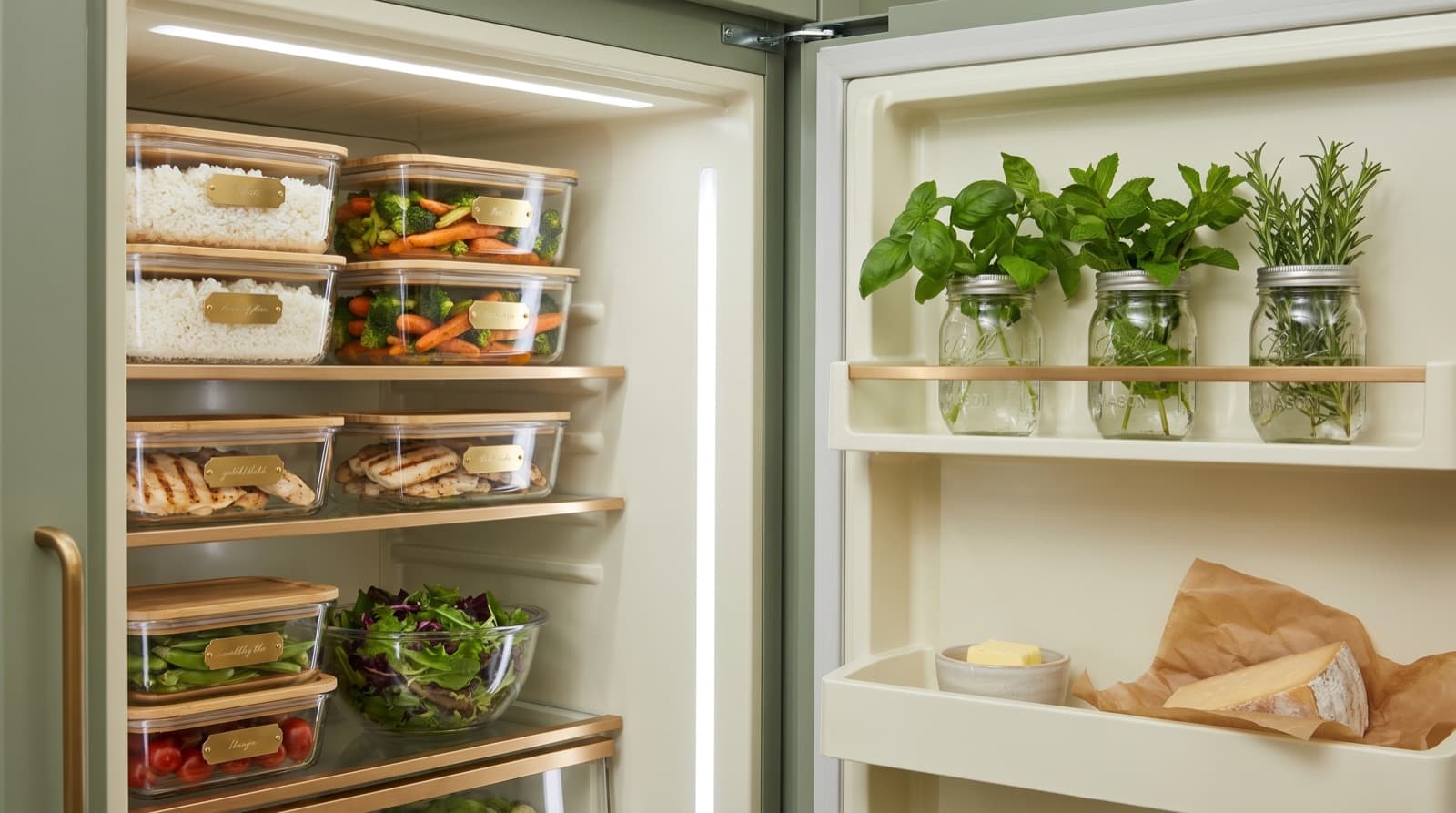
Leafy greens are one of the most-wasted fresh foods in the home, and it’s a particularly annoying kind of waste because we buy them out of genuine good intentions. In the UK, WRAP consistently finds salad and fresh vegetables among the biggest contributors to household food waste, and bagged salad is a repeat offender — bought with a plan, used once, and tipped out slimy. The good news is that almost none of it is inevitable. Greens don’t spoil unusually quickly; we just store them in the one way that guarantees they will.
How Long Each Leafy Green Lasts
“Leafy greens” covers everything from a delicate baby spinach leaf to a sturdy stalk of cavolo nero, and they live on very different clocks. The single most useful rule: the more processed and pre-cut a green is, the shorter its life. A whole head keeps longest; loose leaves keep less; a sealed bag of pre-washed, pre-cut salad keeps least. Numbers below assume greens kept dry, unwashed and refrigerated.
The hardy end (keeps longest)
- Whole iceberg / romaine heads — 1–2 weeks; firm, dense and slow to turn.
- Kale, chard, collard greens, cavolo nero — 5–7 days; tough leaves hold up well and wilt gracefully.
- Cabbage (whole) — 2–3 weeks or more; the marathon runner of the greens.
The tender end (eat sooner)
- Loose spinach — 5–7 days.
- Butterhead & loose-leaf lettuce — 4–7 days; soft and quicker to flop.
- Rocket / watercress — 3–5 days; peppery and delicate.
- Bagged salad, baby spinach & spring mix — 3–5 days; the most fragile of the lot.
In the freezer (cooking only)
- Blanched hardy greens & spinach — 8–12 months, for soups, stews and smoothies — never for salad.
Why the Bag Is the Enemy
If your bagged salad always seems to dissolve into slime overnight, it’s not bad luck — it’s physics. A sealed plastic bag traps the moisture the leaves give off, and warm, damp, still air around cut leaves is the perfect breeding ground for the bacteria that turn greens slimy. Cutting the leaves in the first place ruptures cells and accelerates the whole process, which is why pre-cut salad spoils faster than the same leaves left whole. Add the fact that the bag has often been sitting in a warm-ish supermarket aisle, and you’ve got a punnet primed to turn.
The fix is to undo all three problems: let the moisture out, give the leaves some airflow, and keep them properly cold. The moment you get a bag home, it’s worth opening it, dropping in a dry paper towel to soak up condensation, and either re-sealing loosely or tipping the lot into a lidded container lined with kitchen paper. That one habit routinely turns a three-day bag into a six- or seven-day one.
The Paper-Towel Method
This is the single highest-leverage thing you can do for any leafy green, and it takes about a minute:
- Don’t wash until you’re about to eat. Surface water is what makes leaves slimy, so wash only what you’re using, when you’re using it.
- Line a container (or the original box/bag) with a dry paper towel to wick away condensation.
- Add the greens loosely — don’t cram them, which crushes leaves and traps damp.
- Store in the main fridge or crisper drawer, not the door, where the temperature keeps swinging.
- Swap the towel when it gets damp, and pull out any slimy leaf before it spreads.
The paper towel is doing the real work: it’s the difference between leaves sitting in their own moisture and leaves kept dry. For whole heads of lettuce, the equivalent move is simply to leave them whole and wrapped rather than chopping ahead — an intact head keeps far longer than a bowl of pre-cut leaves.
Reviving Wilted Greens (Don’t Bin Them)
Here’s the bit that saves the most food: wilting is not spoilage. A floppy lettuce leaf is dehydrated, not dangerous, and you can usually bring it straight back. Submerge limp (but not slimy) leaves in a bowl of ice-cold water for 15–30 minutes and they’ll drink the water back up and crisp again, good as new for a salad. It feels like a magic trick the first time you do it.
And if they’re past salad-crisp but still smell fresh and aren’t slimy, cook them. Wilted spinach, lettuce and greens are excellent sautéed with a little garlic, stirred into soup, folded into an omelette or scrambled eggs, or dropped into a curry or dhal at the end. “Too sad for salad” is not the same as “gone off” — far more greens are binned at the wilted stage than ever actually spoil.
How to Tell When Greens Have Actually Gone
There’s a clear line between sad and unsafe. Bin leafy greens when you see or smell:
- Sliminess — a wet, slippery film on the leaves is bacterial spoilage. This is the main one.
- A sour, rotten or “off” smell — fresh greens smell green and faintly grassy; spoiled ones smell sour or sulphurous.
- Yellowing or blackening, mushy leaves — a little yellow at the edges can be trimmed, but widespread yellow or dark, mushy patches mean it’s done.
- Any visible mould — especially in a bag, where it spreads fast through the moist, enclosed leaves.
Crucially, simply limp and dry is none of these — that’s a revive-or-cook leaf, not a bin leaf.
The Habit That Saves the Bag
Leafy-green waste, like most food waste, is really a memory problem. The bag of spinach slides behind the milk, you forget it’s a three-day green, and by the time you remember it’s soup. The fix is the same one that answers every shelf-life question: a system that knows what you’ve got, how long it’s been there, and nudges you to use the bagged salad before the kale because it’ll go first.
That’s part of why we built Pantree. It tracks what’s in your kitchen and how long it’s been there, and when a bag of greens is getting on it points you at what to do — toss them in a salad now, sauté them, blitz them into a smoothie, blanch and freeze them — so they become dinner instead of the bin.
For the bigger picture, see how to stop wasting food and our full shelf-life reference for 30+ foods. It also helps to organise your fridge so food stops rotting. For the rest of the series, see how long fresh herbs last, berries, eggs, and milk.
The Point
A whole head of lettuce gives you a fortnight, kale the better part of a week, loose spinach about the same, and a bag of pre-cut salad just a few days — so stop treating them as if they all keep the same length of time. Keep them dry, give them airflow with a paper towel, store them in the cold heart of the fridge, and remember that limp is revivable and wilted is cookable. Do that and the great healthy intention of a fridge full of greens stops ending as a bag of slime.
Frequently Asked Questions
How long does spinach last in the fridge?
Loose spinach lasts about 5–7 days in the fridge; bagged or boxed baby spinach is faster, usually 3–5 days, and once a few slimy leaves appear the whole bag tips over within a day. The killer is moisture trapped in a sealed bag with no airflow. Store it in its original box or a container lined with a dry paper towel, keep it in the main body of the fridge rather than the door, and pull out any leaf that's gone dark and slimy before it spreads. Wilted-but-dry spinach is still fine to cook — it's only the slimy, smelly, yellowing leaves you bin.
How long does lettuce last, and which type keeps longest?
It depends entirely on the type. A whole, firm head of iceberg or romaine kept dry and cold lasts 1–2 weeks. Soft butterhead and loose-leaf lettuces are more like 4–7 days. Pre-cut bagged salad and spring mix are the most fragile of all at 3–5 days, because cutting the leaves accelerates spoilage and the sealed bag traps moisture. The rule of thumb: the more processed and pre-cut a green is, the shorter its life, so buy whole heads when you want them to keep and bagged salad only when you'll eat it within a few days.
How long does kale last?
Kale and the other hardy brassicas — collard greens, chard, cavolo nero — are the tough end of the leafy spectrum and keep 5–7 days, sometimes a bit longer if they were very fresh. Their sturdier leaves hold up far better than tender salad greens. Store them unwashed, loosely wrapped in a paper towel inside a bag or container in the fridge. Kale also wilts more gracefully than spinach: leaves that have gone a little limp are perfectly good sautéed, dropped into soup or blitzed into a smoothie.
How do you keep leafy greens fresh longer?
Three things do almost all the work: keep them dry, give them airflow, and keep them cold. Don't wash greens until you're about to use them, because surface water is what turns leaves slimy. Line their container or bag with a dry paper towel to wick away condensation, and swap it if it gets damp. Keep them in the main body of the fridge, not the door, where the temperature swings. For greens you buy as whole heads, leaving them intact rather than chopping them ahead extends their life considerably.
Can you revive wilted lettuce and greens?
Often, yes — wilting is dehydration, not spoilage. Submerge limp (but not slimy) leaves in a bowl of ice-cold water for 15–30 minutes and they'll draw the water back up and crisp again, ready for a salad. If they're past salad-crisp but still smell fine and aren't slimy, don't bin them: cook them. Wilted spinach, lettuce and greens are excellent sautéed, stirred into soups, folded into omelettes or dropped into a curry. It's only sliminess, a sour or off smell, and yellow or blackened leaves that mean it's actually gone.
Can you freeze leafy greens?
You can, but only for cooking — never for salad. Freezing bursts the cell walls, so thawed greens come out limp and watery, useless raw but fine in anything cooked. Hardy greens like kale, chard and spinach freeze best: blanch them briefly, squeeze out the water, and freeze in portions for 8–12 months to drop straight into soups, stews, curries and smoothies. Delicate salad leaves and lettuce don't freeze usefully at all. If a bag of spinach is about to turn, freezing it is far better than binning it.
Stop binning the bag of greens.
Pantree tracks what’s in your kitchen and what to use before it turns. Free on the App Store.
